
Vandenberg Dunes
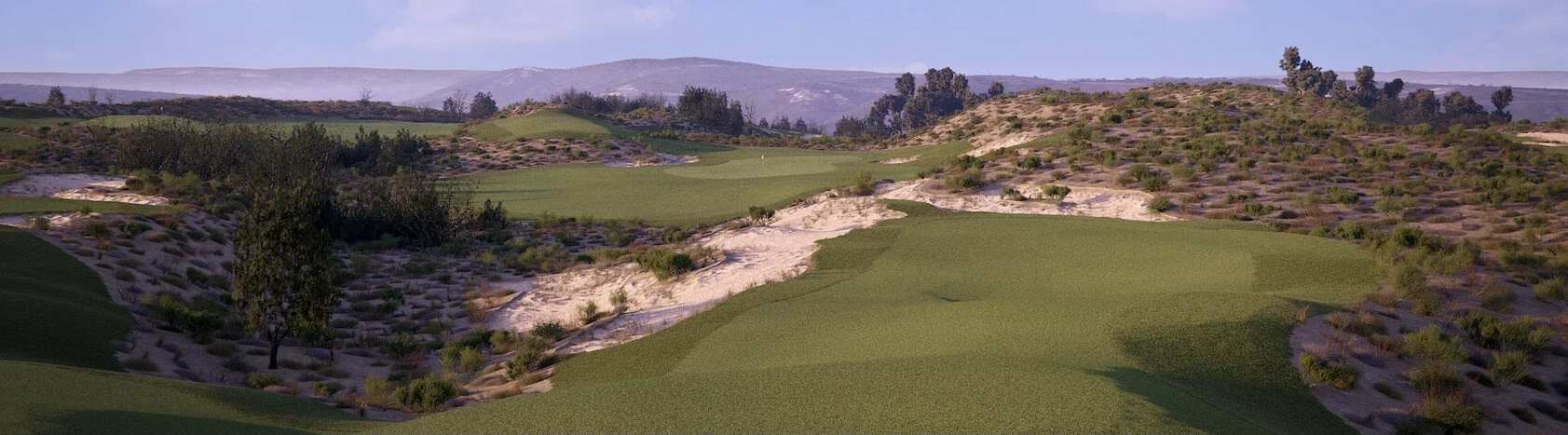
As the rendering above shows, the vastness of Vandenberg Space Force Base in California with its natural beauty and open vistas of the mountains and the Pacific Ocean would have offered an extraordinary recreational opportunity at Vandenberg Dunes. The Master Plan created by the Larkin Group proposed building a number of courses in the magnificent sand dunes, along with lodging and dining facilities. These spectacular courses were to be open to the public and offer greatly reduced rates to military personnel, with special accommodation for disabled veterans. The project was to be sited near the now-closed Marshallia Ranch Golf Course. The Larkin Group led the permitting process for Vandenberg Dunes over seven years, working with military, environmental, and community entities.
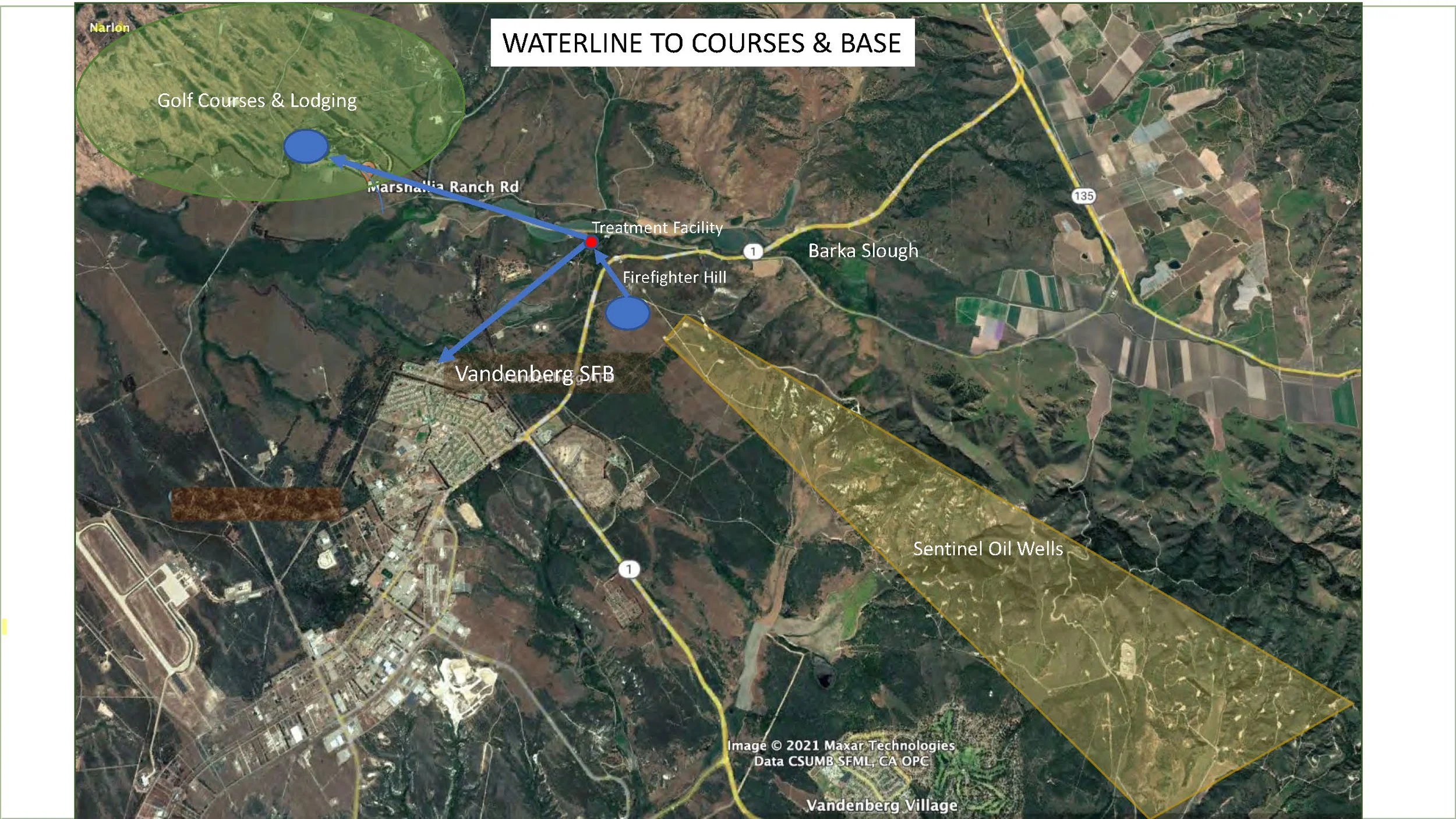
After a multi-year effort, the Air Force terminated negotiations to enter into a long-term land lease because of a lack of state water and groundwater. With the exponential growth of the commercial space industry at Vandenberg, the Air Force had to ensure its mission needs were met. The Larkin Group repeatedly strategized possible water solutions that would align with our sustainable solutions model of low water usage and protection of the land. We explored the possibility of using desalination or reclaimed wastewater from the base to irrigate the courses. But ultimately focused on using treated water brought up during the production of oil, known as “produced water”. We proposed using produced water from the oil field located near Vandenberg, cleaned at a treatment facility on Firefighter Hill, and routed to the base for irrigation, operations, and fire control.
Testing included:
Testing of produced water using Advanced Oxidative Processes to eliminate VOC’s, carbon chains, and heavy metals
Pilot from one of GWI’s partners on produced water using advanced membrane technology to inhibit scaling and enhance RO recovery.
The Larkin Group and Global Water Innovations are currently involved with testing best practices to clean produced water. We are conducting a series of pilot projects throughout California that demonstrate the efficiency of new proprietary technology. Our challenge is to take the water brought up during oil extraction and clean it to high-quality standards that would meet regulations and be benign to species and habitat. Ultimately the goal would be to bring the water to drinking water standards, providing an exciting possibility for areas of drought.