
Water Reclamation
Cutting edge approaches for reuse of impaired water
Produced Water
We are advancing the latest technologies to clean produced water to high quality standards so it meets all environmental regulations for beneficial reuse.
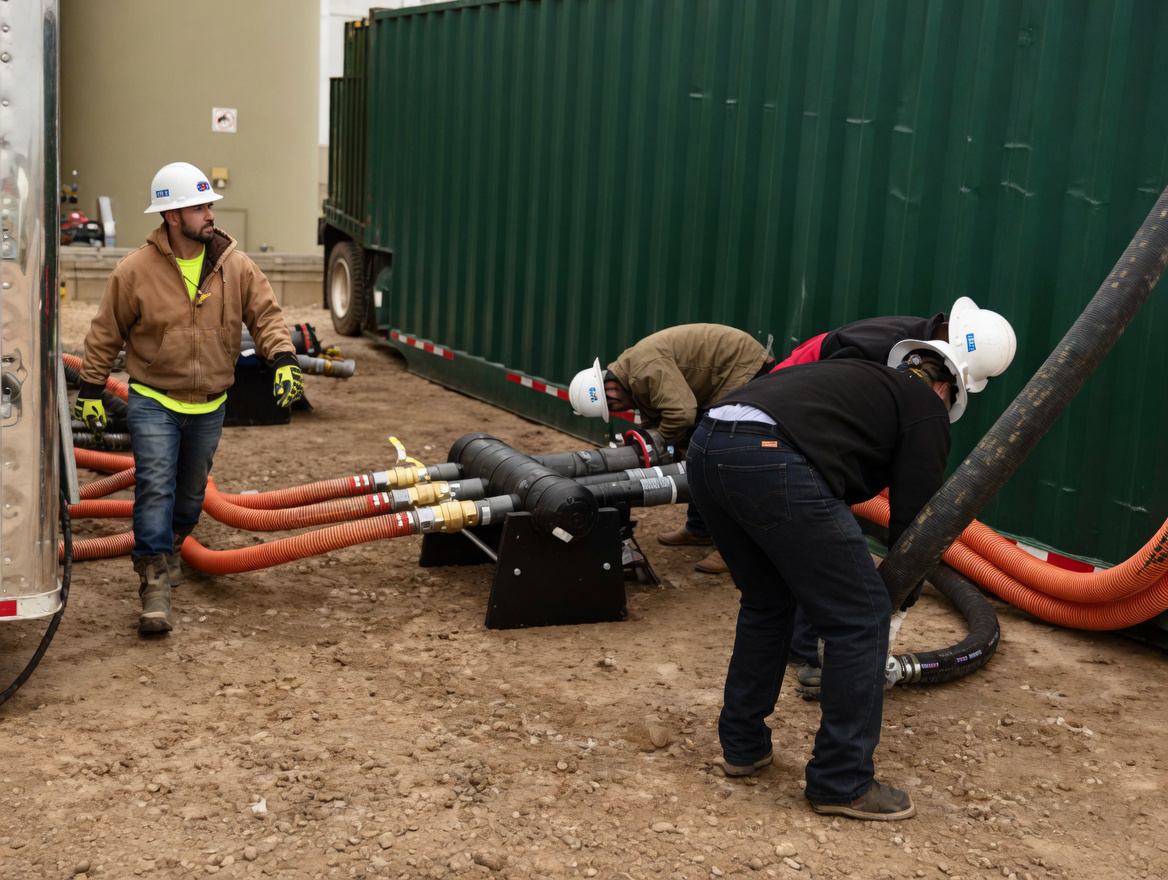
The Larkin Group is working with engineering groups and water specialists to design systems to treat produced water – the water brought up as part of every oil drilling process – so it can be used as a new water supply for operations, irrigation and groundwater recharge.
Produced water is water that is naturally mixed in with oil underground. In Texas there are typically 3 to 5 barrels of water mixed with every barrel of oil pumped to the surface. In California, the ratio is well over 10 barrels of water for every barrel of oil. Currently this produced water is crudely separated from the oil, then reinjected underground - either into the original formation, or into special, very deep, Class II wells.
Instead of dumping this water, we have demonstrated cost-effective treatment methods to safely turn produced water into a much-needed addition to our stressed water supply.
Cleaned produced water is currently being used in the Central Valley of California for agriculture, viticulture, and support of aquifers and species. Arroyo Grande is using it to enhance the Pismo Creek steelhead trout fishery. Our partners are using key parts of our technology train in the Middle East and American oil fields.
Brackish Water
Technologies that reduce inland brine-management cost and increase recoverable water can help preserve agricultural productivity, sustain municipal reuse, and improve drought resilience.
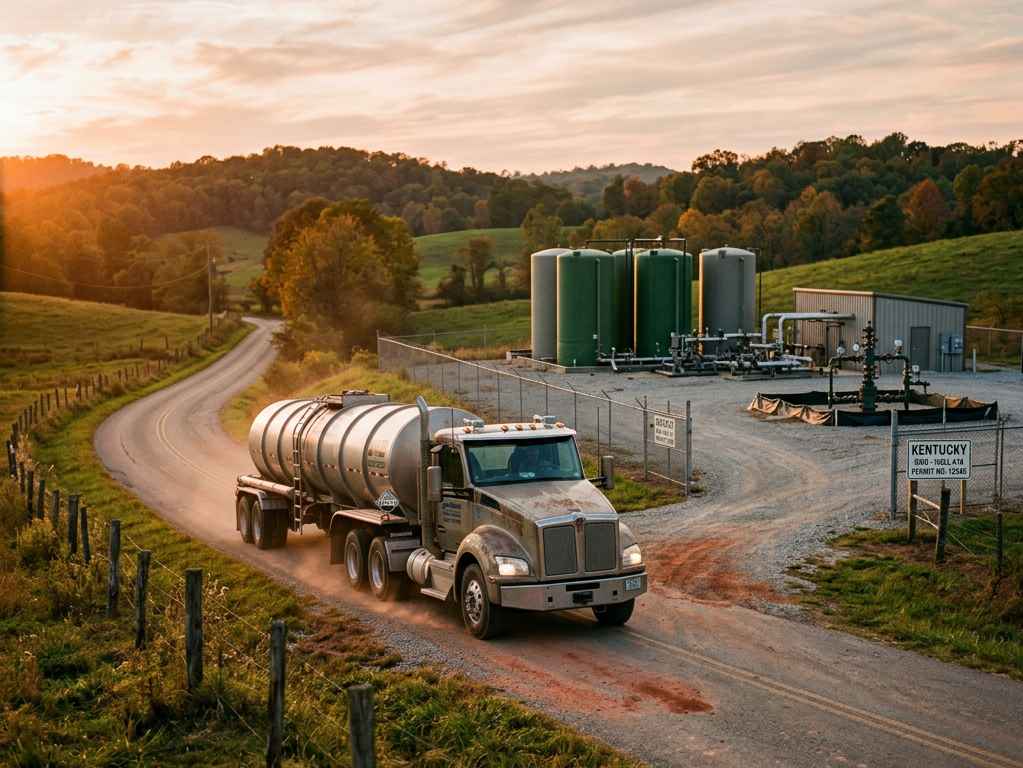
Inland desalination can now routinely and cost-effectively achieve 98%+ water recovery on brackish water, instead of the 80 to 85% levels that users have traditionally been forced to accept.
This achievement will effectively eliminate brine disposal as an economic barrier for inland desalination projects.
Achieving Zero Liquid Discharge (ZLD) is now practical for every inland desal project. Not only fully recovering the water that was previously being wasted – treating brine as a waste to be disposed of – but doing it less expensively than disposal approaches involving trucking, deep well injection, ocean disposal, etc.
A series of 5 successful pilots over the last 2 years run in conjunction with Global Water Innovations has demonstrated practical and cost-effective Zero Liquid Discharge.
Impaired Water Sources
We partner with the leading AOP technology in the world for the pretreatment of impaired water sources - produced water, food waste, pharmaceutical and pesticide residues, single contaminants, heavy metals, and even PFAS.
Successful pretreatment of these kind of contaminants is the critical first step to successful subsequent ultrafiltration and desalination of these kind of impaired water sources.
Wastewater Conversion
We continuously research the latest technologies to lower the overall cost, energy use, footprint, and chemical additives needed to treat municipal wastewater.

The Larkin Group has been working with MNS Engineers to develop plans to treat human wastewater more efficiently. The Cloacina stainless steel package wastewater treatment plants convert human wastewater through a membrane bioreactor treatment plant with proven and licensed technology.
Two of GWI’s projects have involved desalinating secondary effluent from wastewater treatment plants in order to use it for groundwater recharge. Water recovery of 95% was achieved at the first project, and 98%+ at the second.